
Combat correspondent
The AIS Combat Centre is a brutalist cavern. It’s a vast, hanger-esque venue that offers little in the way of traditional aesthetic charm, yet on a tournament weekend, the atmosphere heaves with the anticipation and adrenaline associated with the ‘theatre of the unexpected’.
This wasn't a commercial gig for me. Boxing is my favourite sport to watch, and there is a certain creative freedom that comes with shooting on your own steam. Without a brief or a deadline, the focus shifts entirely to the craft: how to turn a dim, industrial space into a cinematic stage that does justice to the fighters and their dedicated friends, family and trainers.
Indoor sports photography is an exercise in compromise. The lighting is notoriously thin, forcing a choice between grainy exposures or motion blur. To keep the action crisp, I locked my shutter speed at 1/500 and let the ISO climb as high as 3200. It’s a setting that introduces a gritty texture, but in a boxing context, that grain adds more than it takes away. I cycled through a few different focal lengths: the Lumix 14mm f/2.5 for the wider environment and the Olympus 75mm f/1.8 for compression. This ensured I could capture both the isolation of the fighter and the frantic energy of the corners.
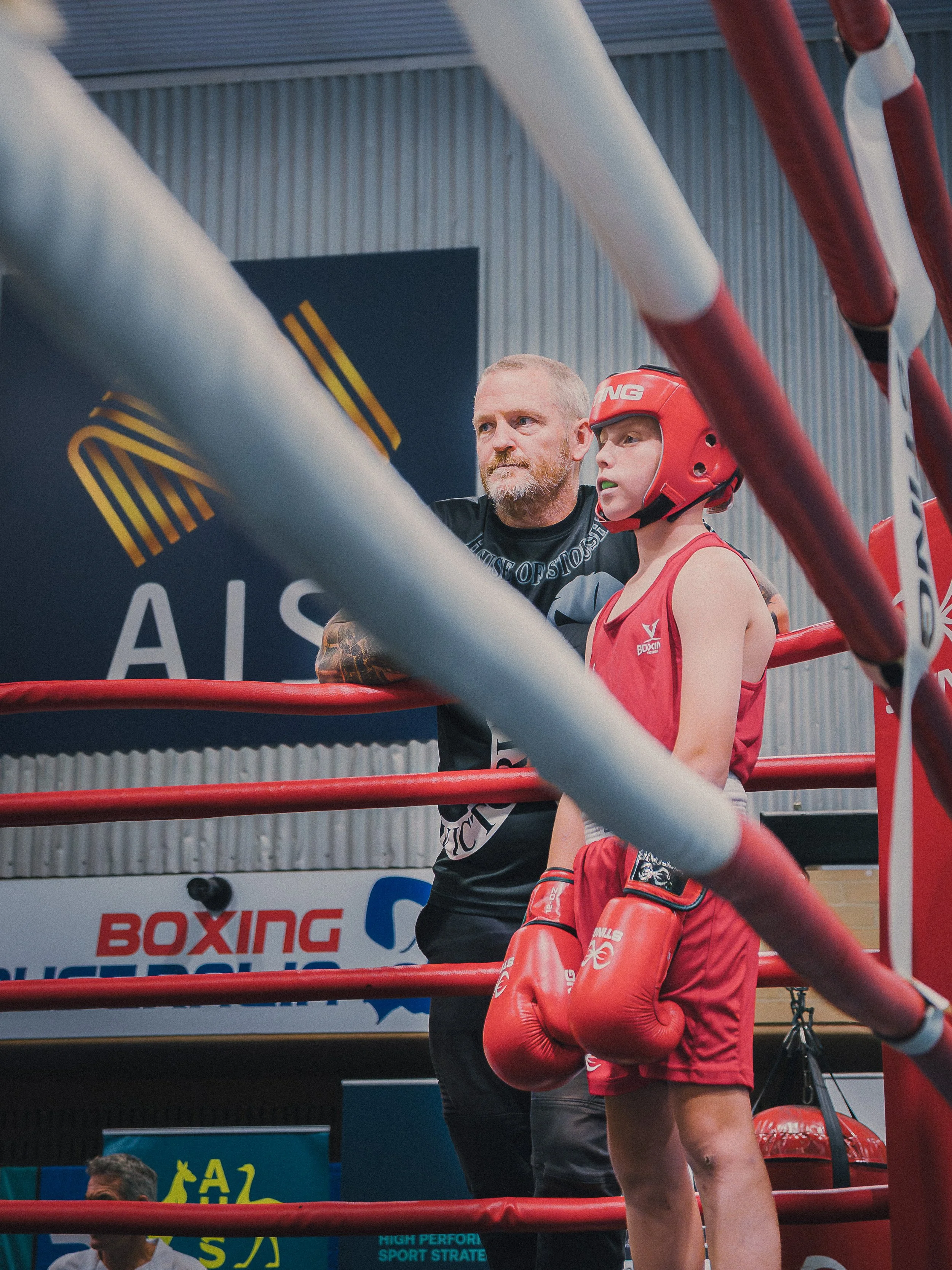
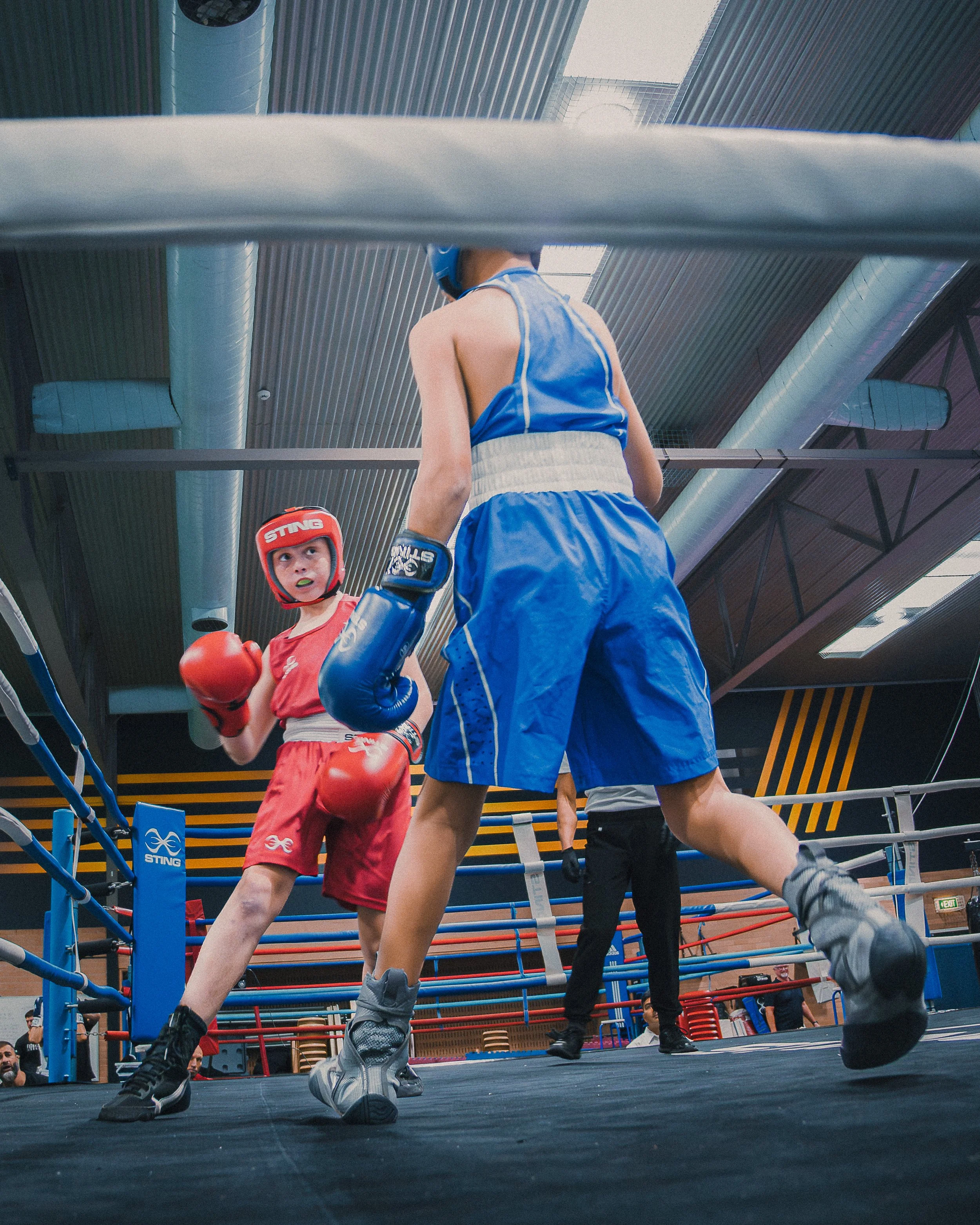
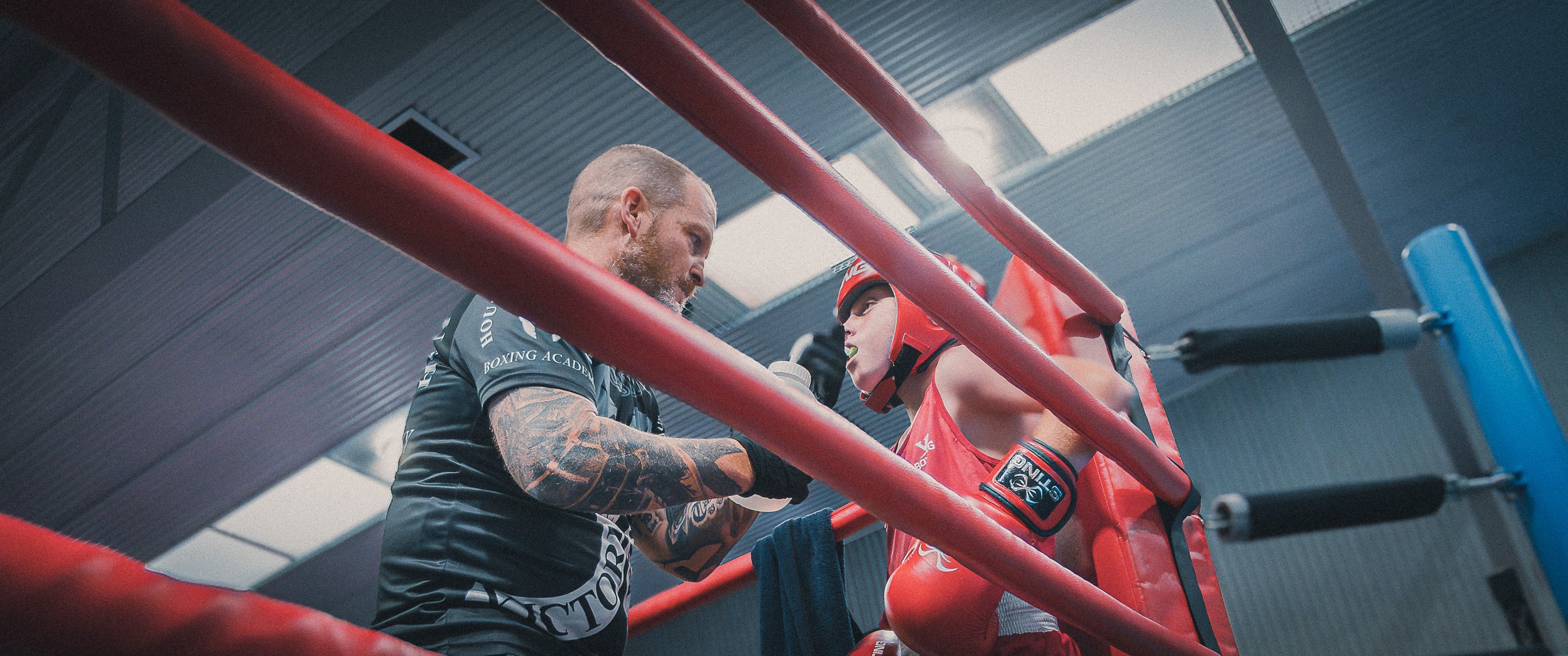
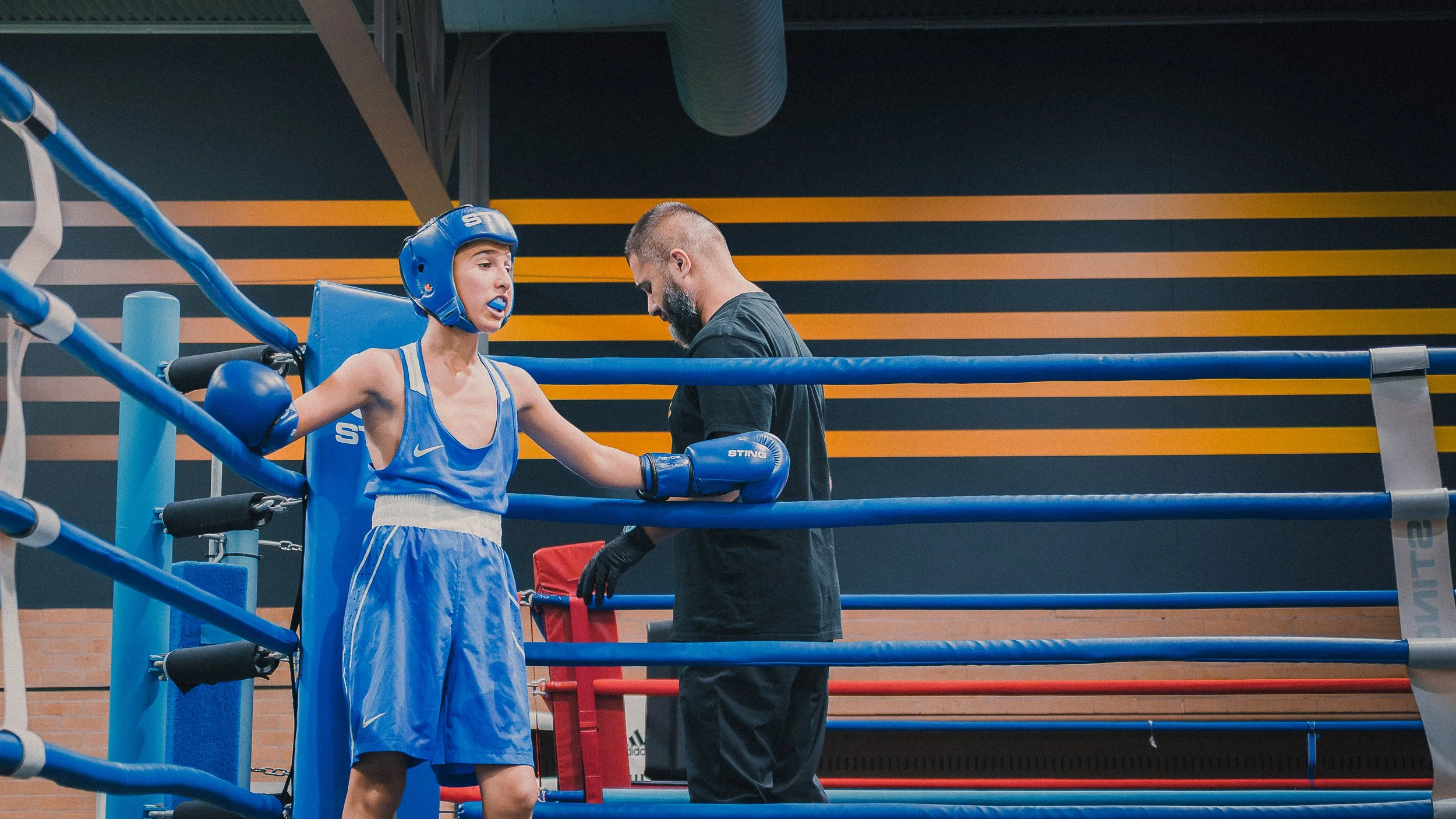
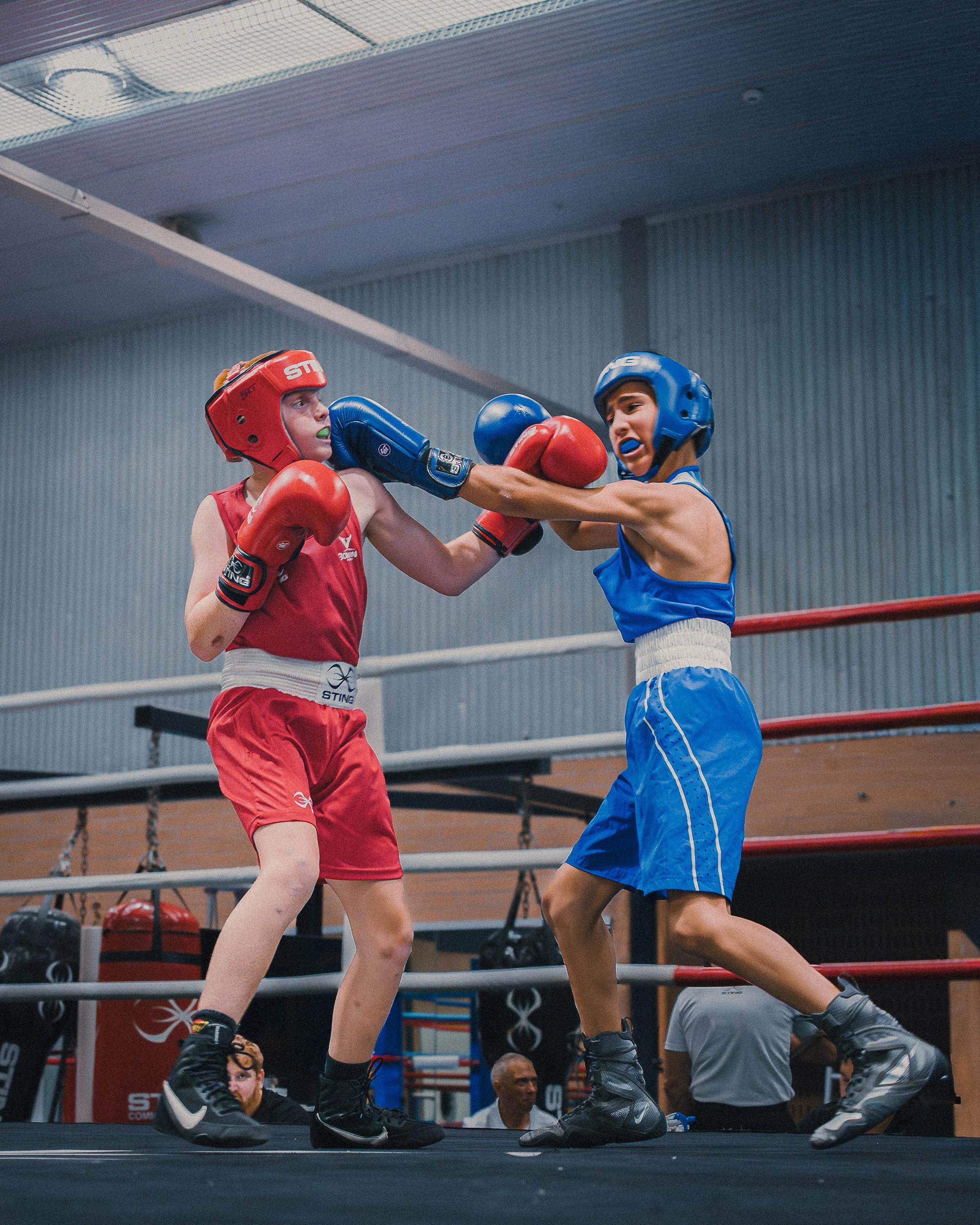
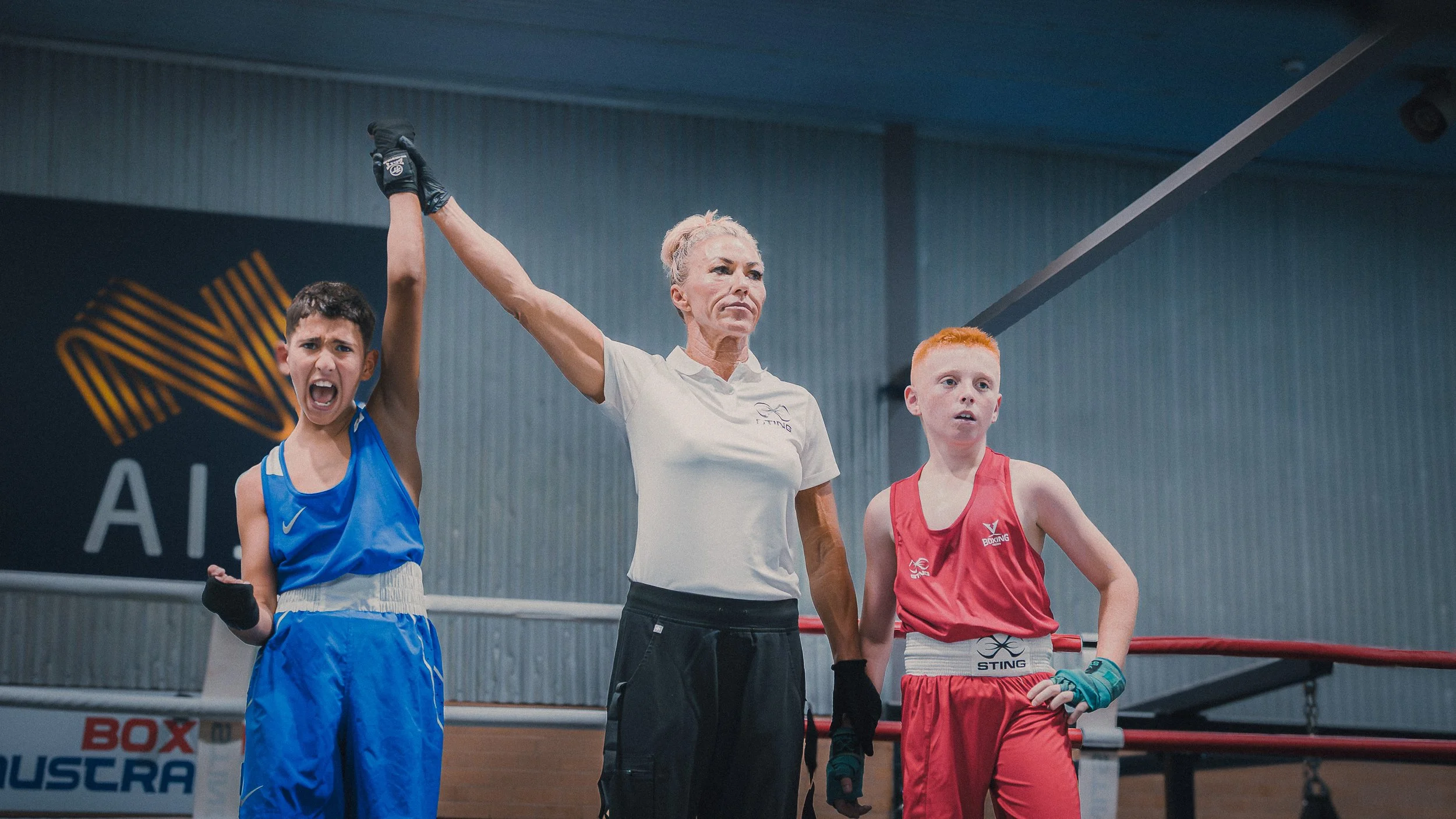
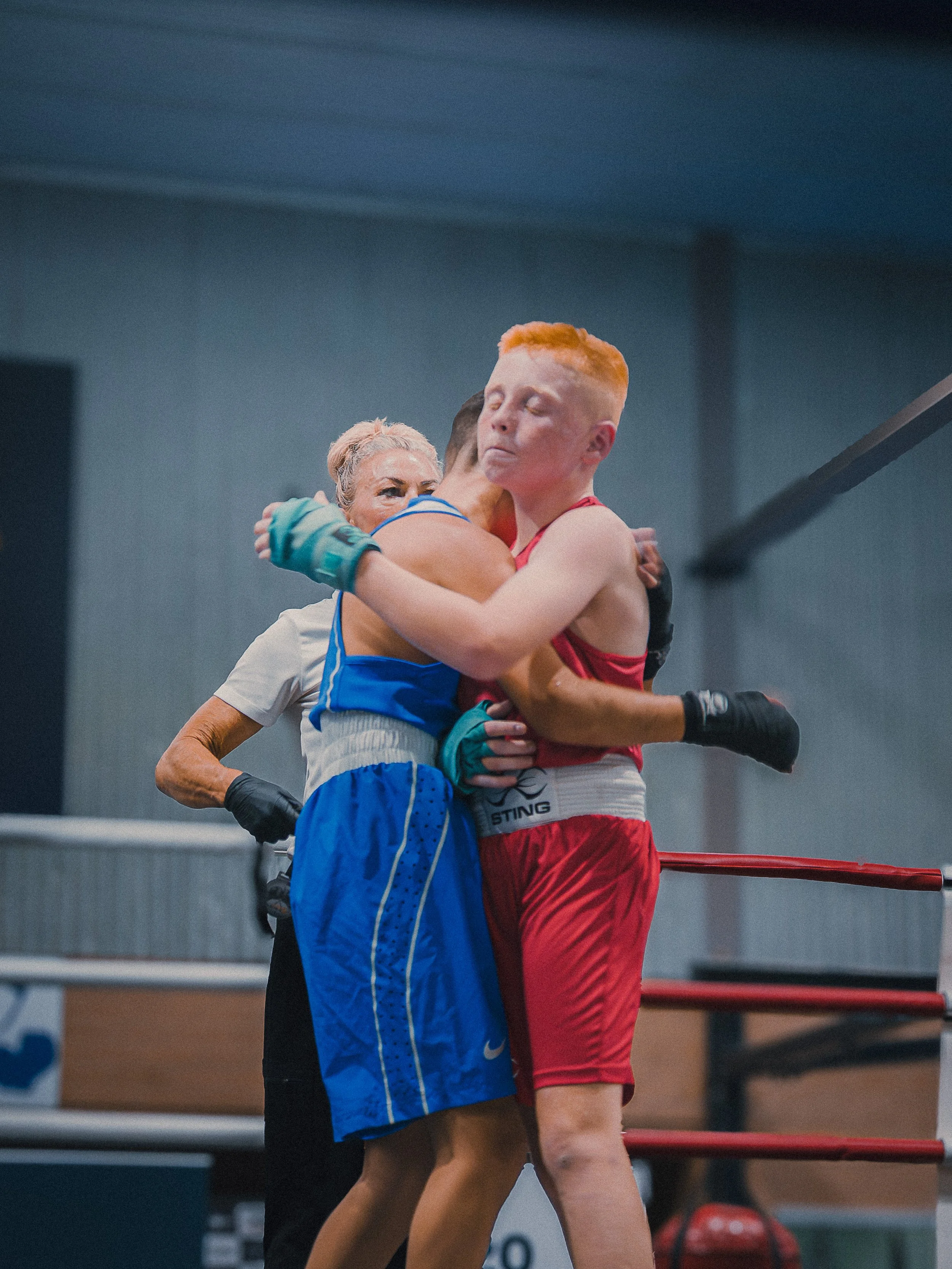
Visually, I wanted to move away from a flat, documentary style and toward something more gladiatorial. I spent a lot of time camped in the neutral corners, shooting through the ropes to create a layered composition. Using the red and blue lines of the ring as a foreground frame, the goal was to pull the viewer into the apron, up close to the action.
During the edit, I leaned into this cinematic perspective by using radial masks around the overhead lights to boost the "bloom" of the bulbs and crush the blacks on the canvas. As it turned out, it’s an effective way to hide an unremarkable background and hone in on the human drama.
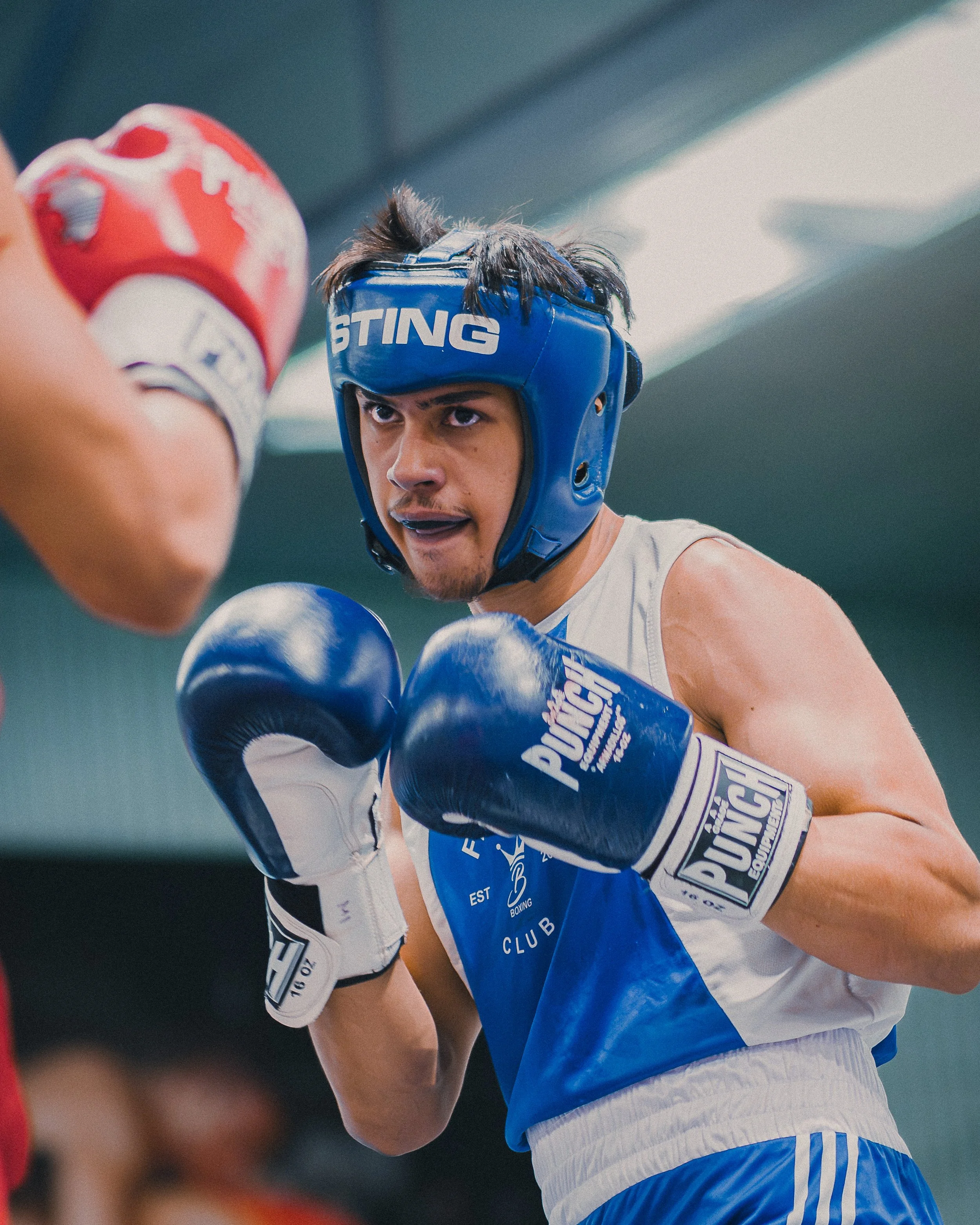
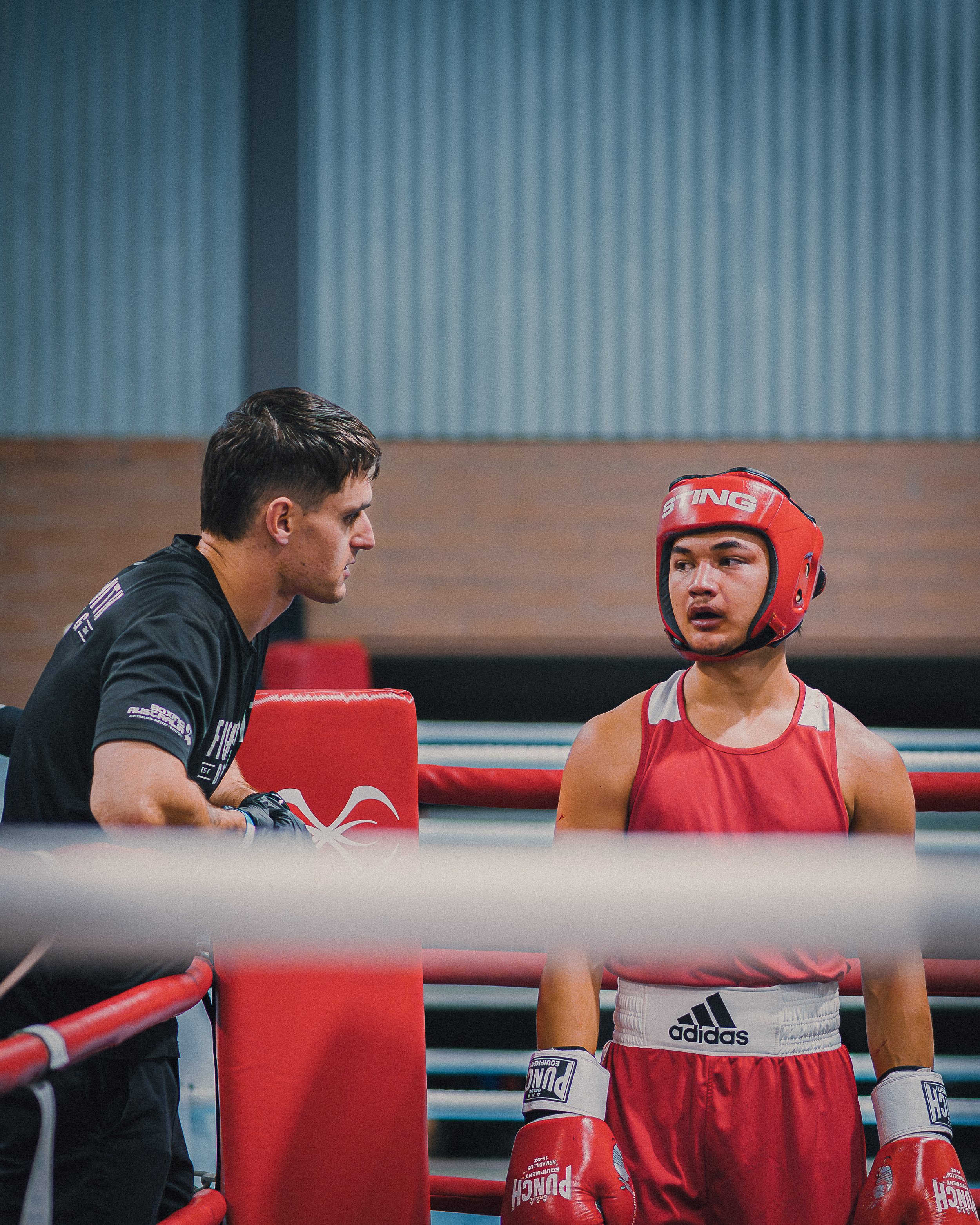
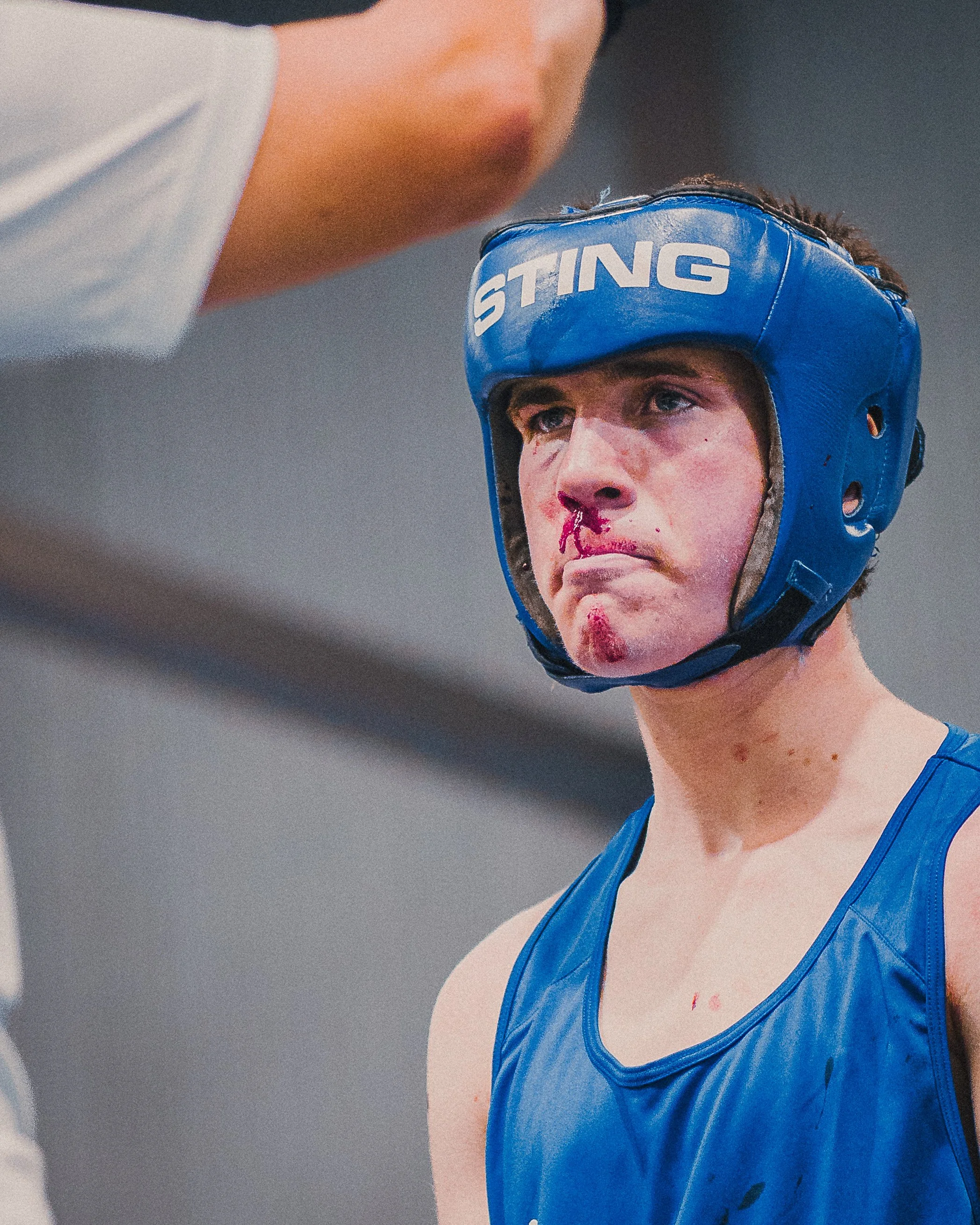
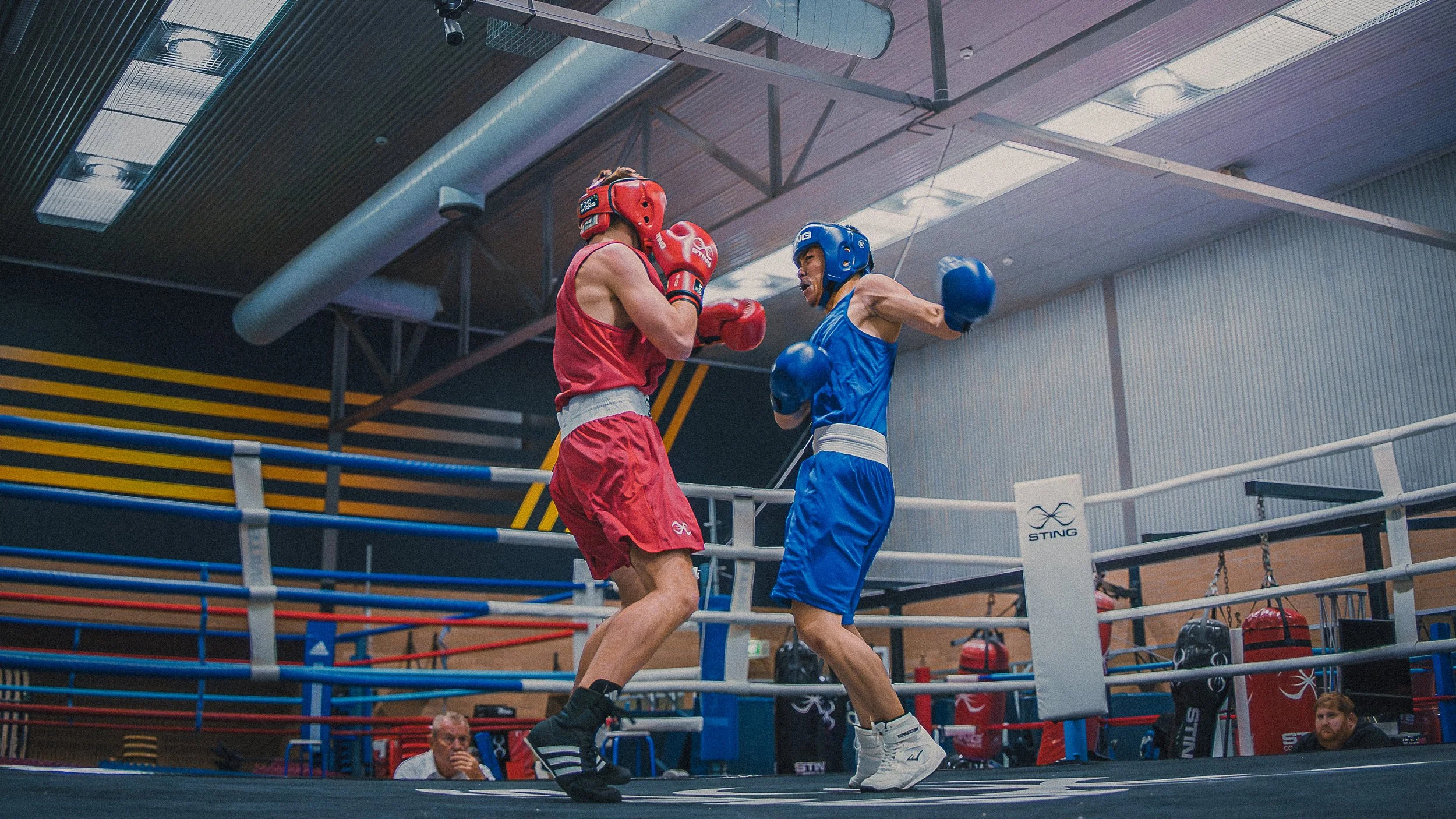
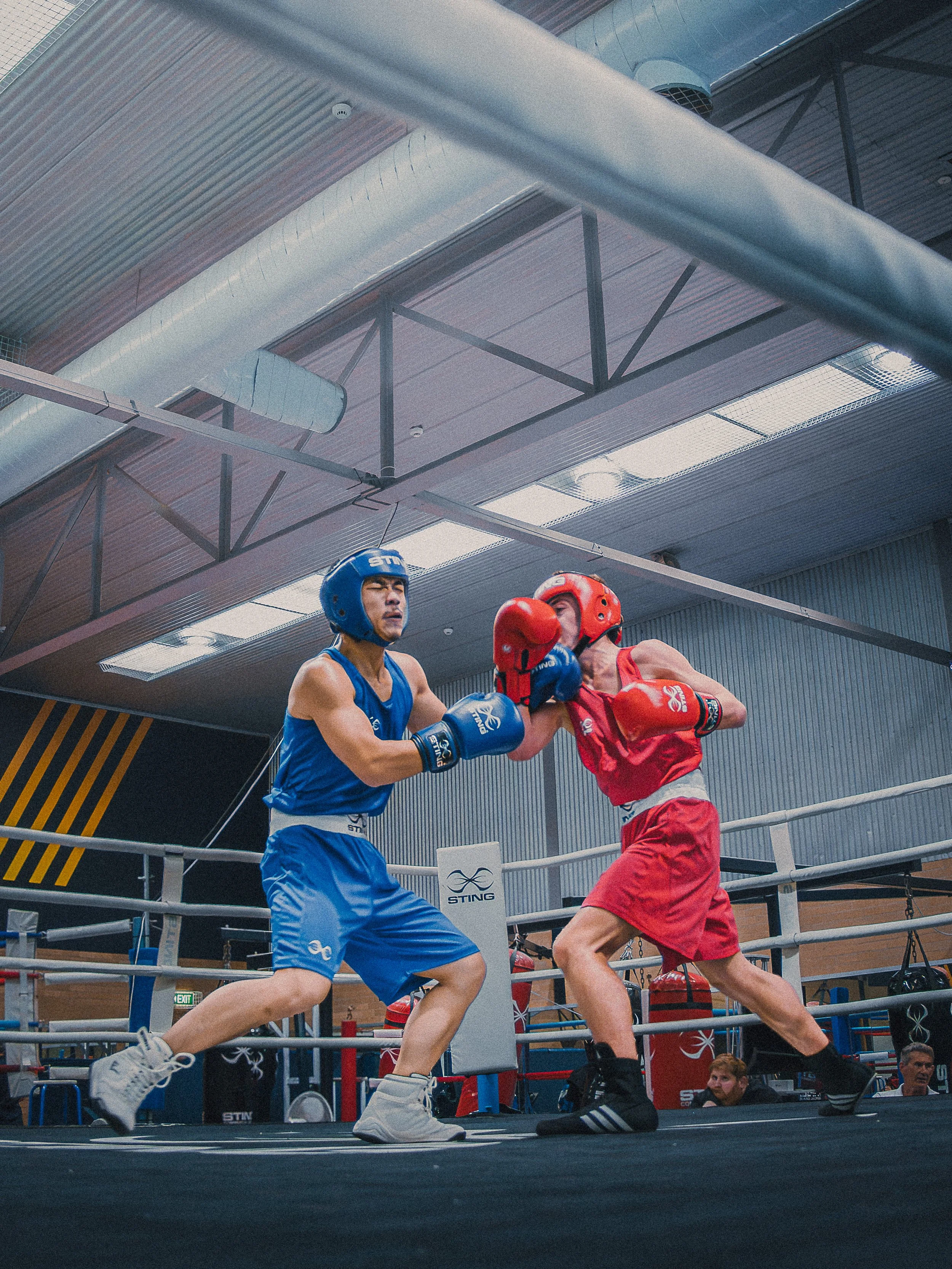
Having produced a video from the same tournament last year, this time around there was a bit more “drama” with cuts and bloodied noses. One young bloke from Tasmania was opened up early in the first round and was clearly facing a more polished opponent. Another bout, in the women’s 80kg+ division, ended with a power rip to the body that left the canvas pooling with the defeated boxer’s breakfast.
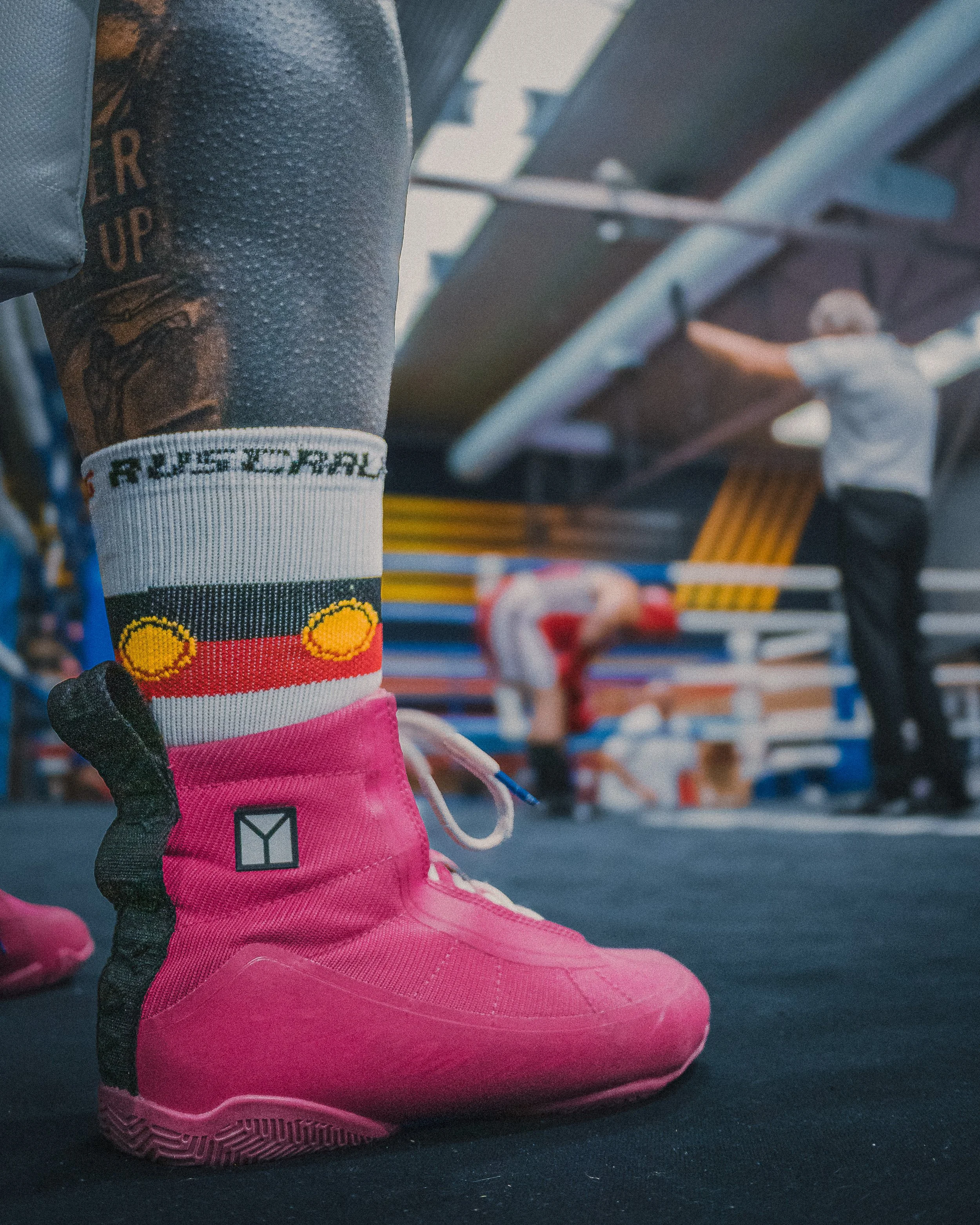
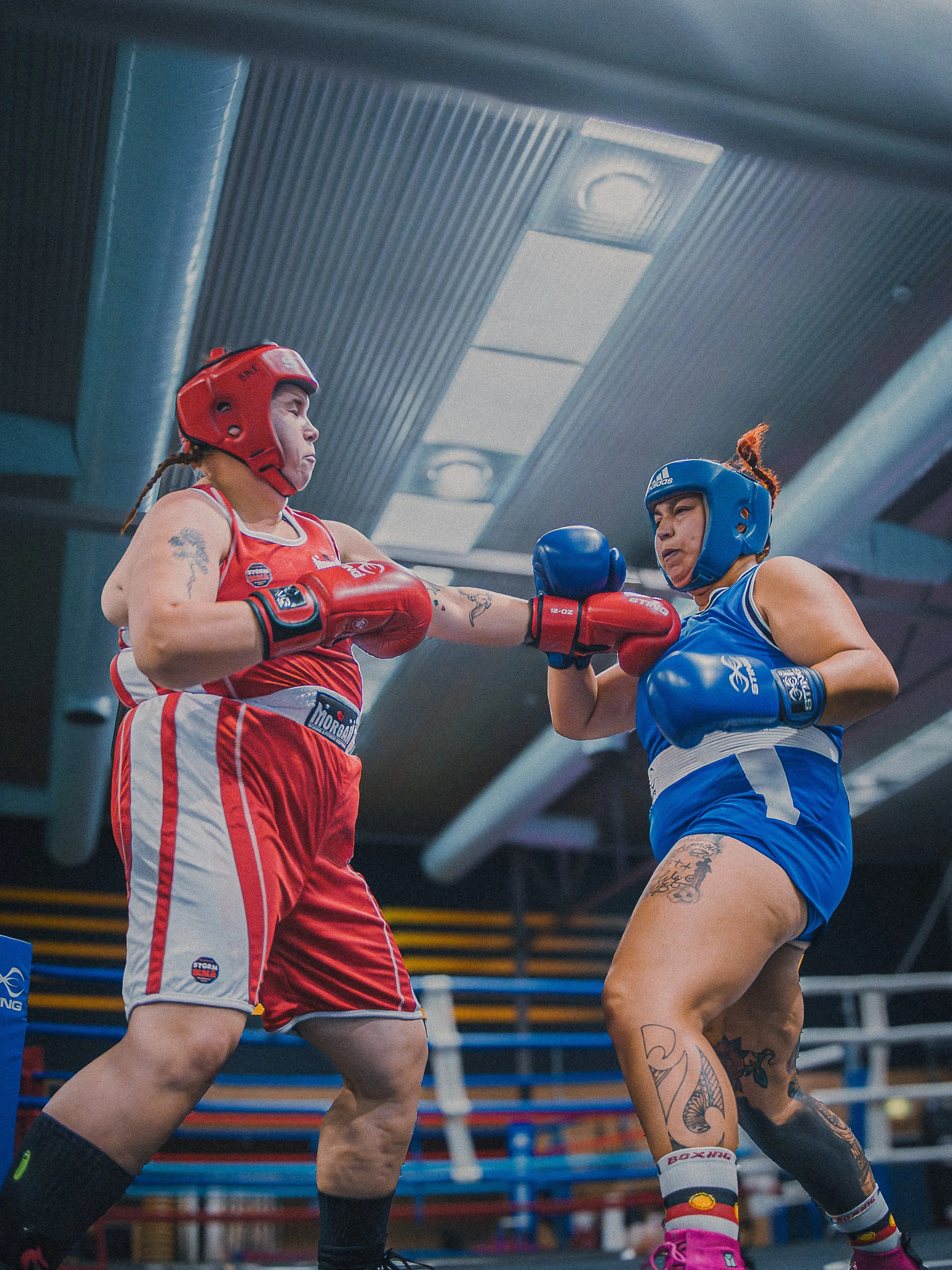
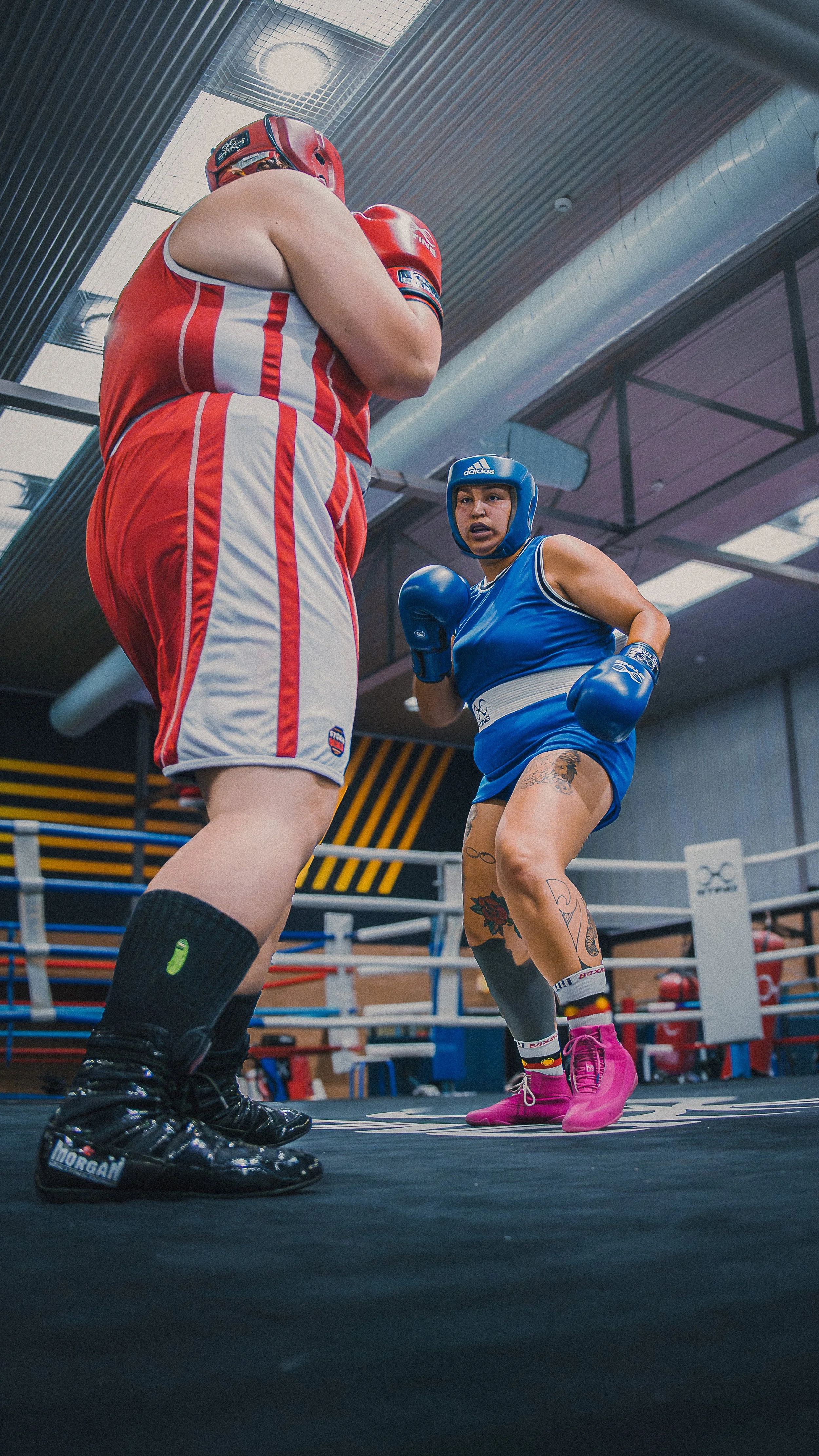
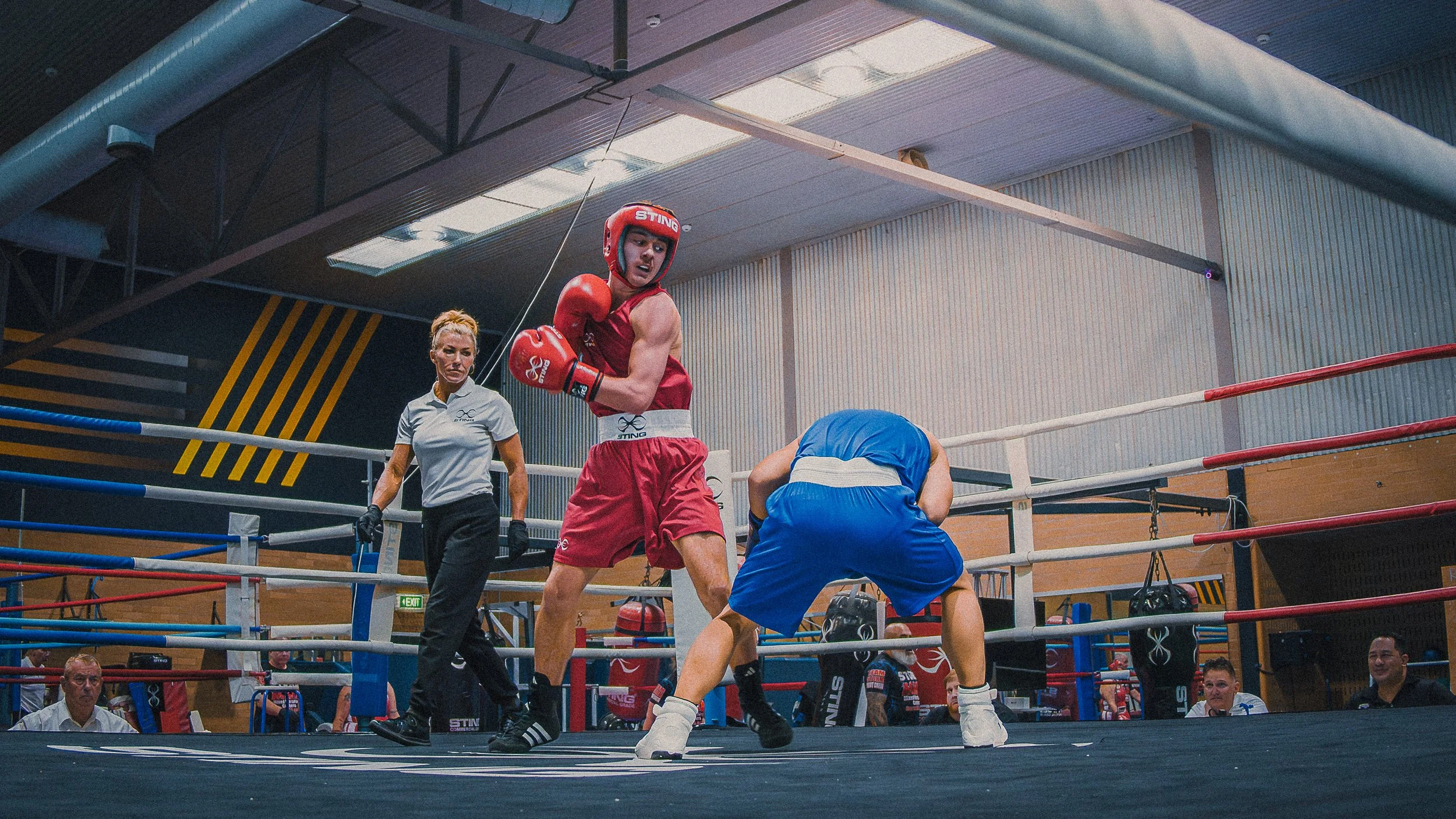
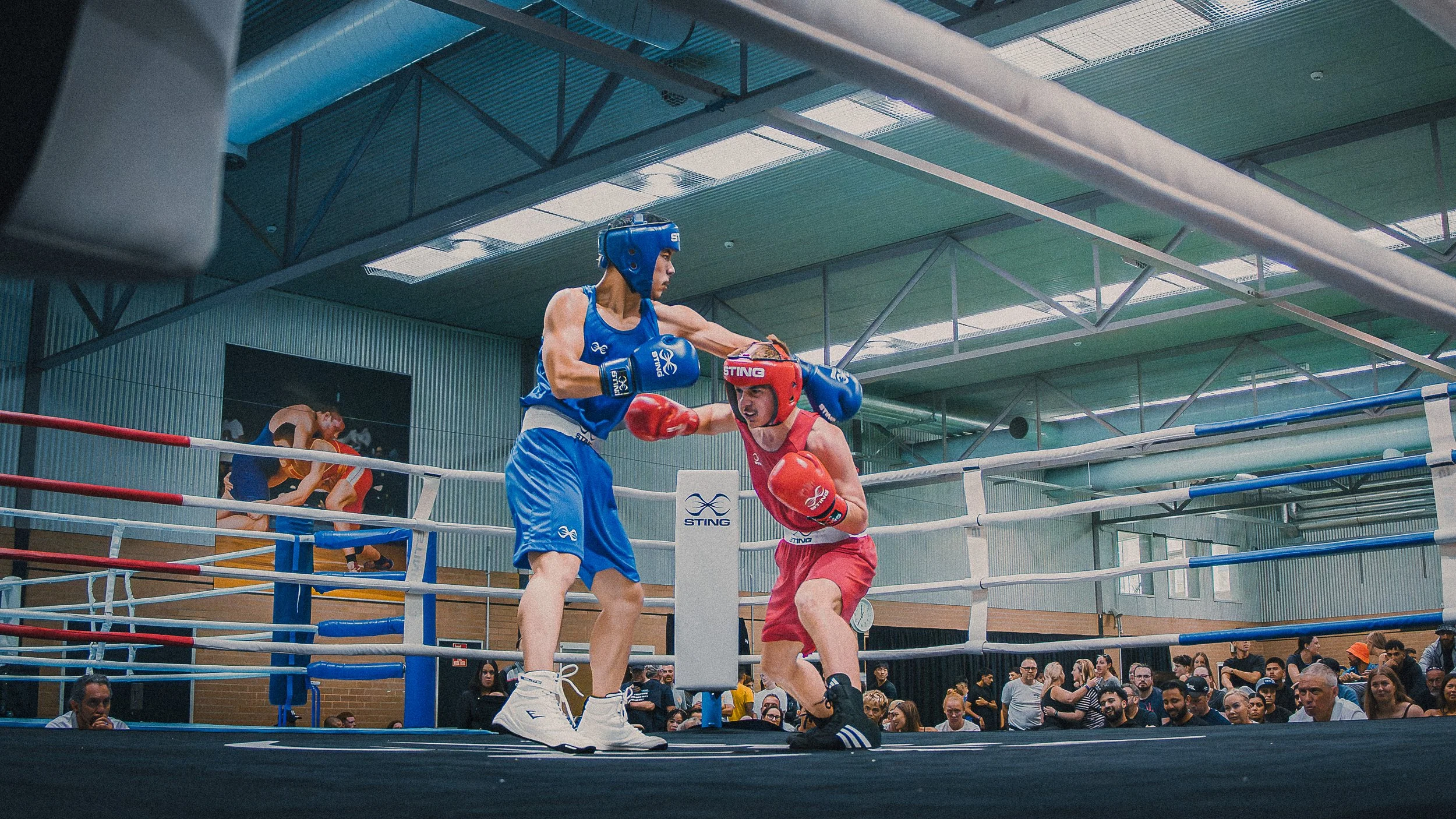
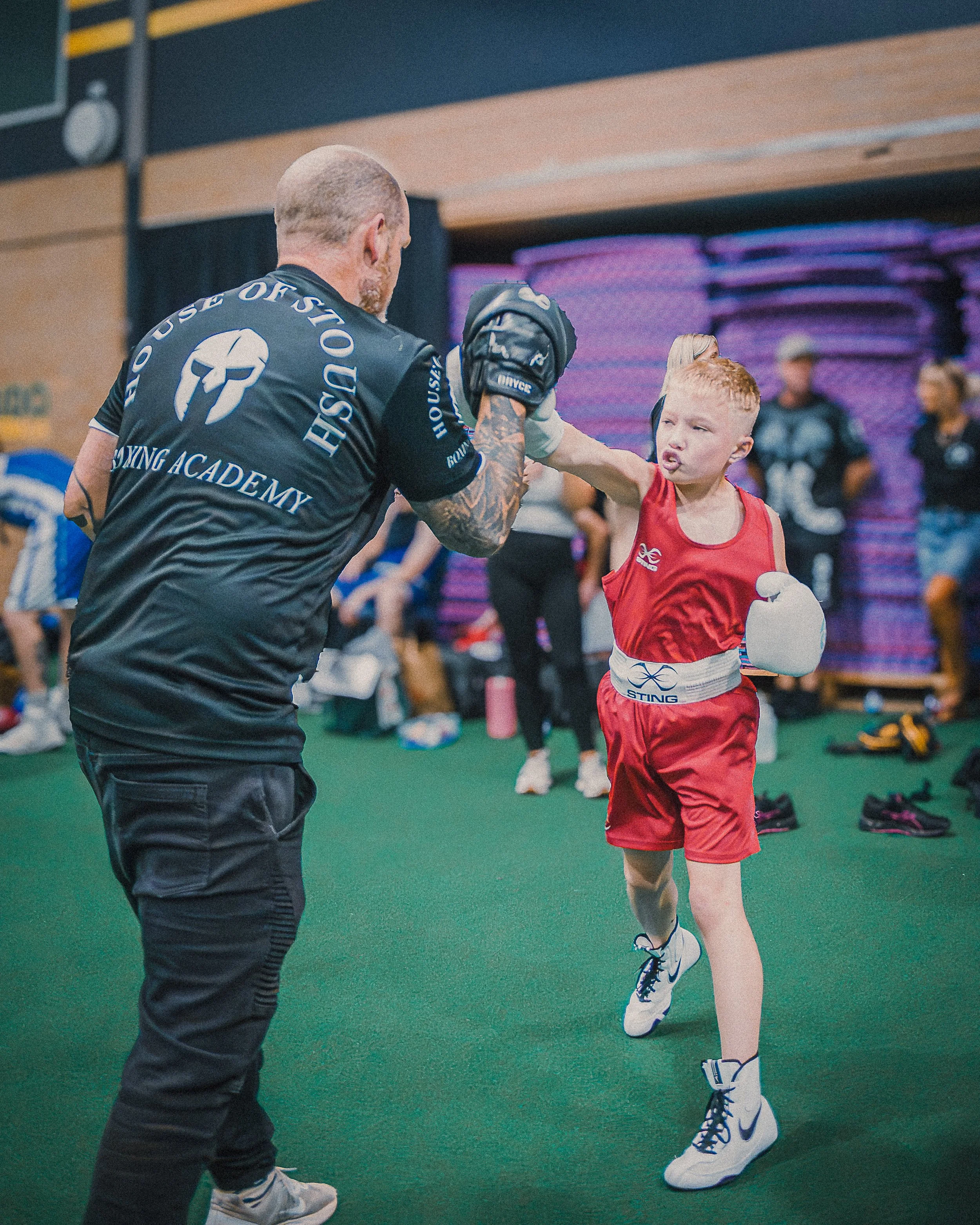
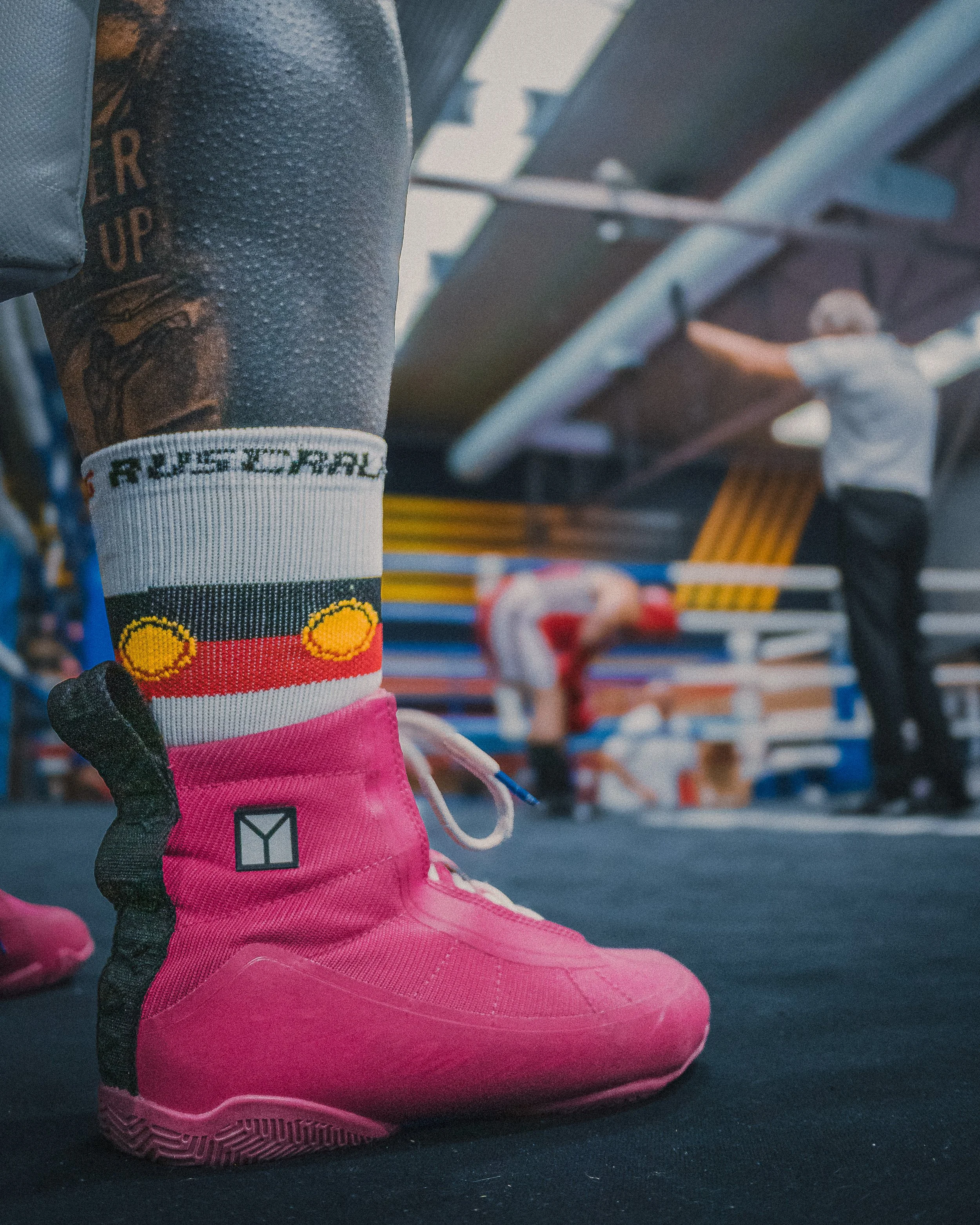
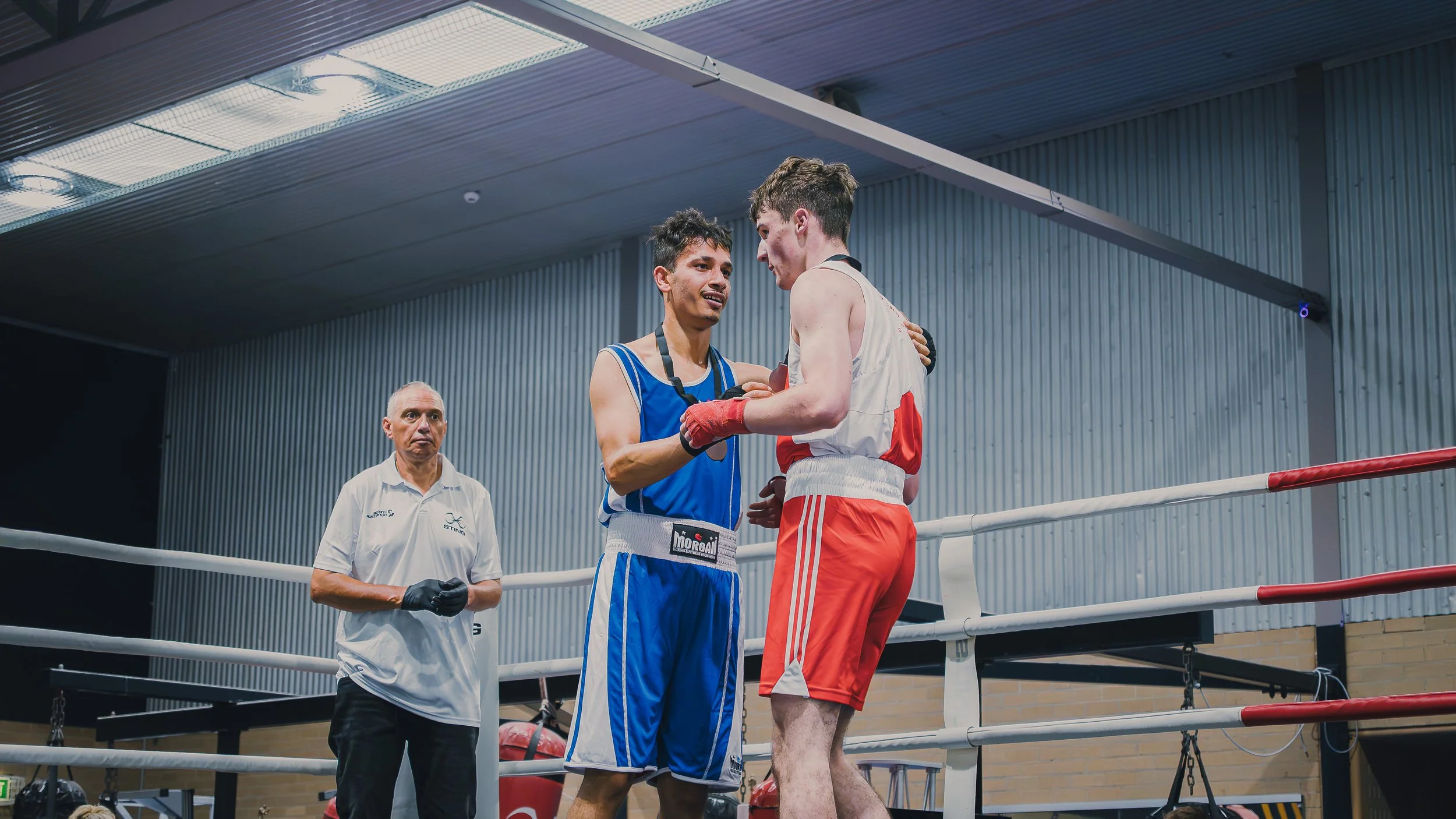
The noise in the arena follows a specific rhythm: the electronic chime of the round timer, pounding of the clapper and the surge of instructions from the trainers. The ritual of boxers draping medals over their opponents’ necks highlights the camaraderie between different interstate rivals. Different gyms, states/territories, ethnic backgrounds, technical levels and styles – all united in sportsmanship.
Perhaps the most rewarding part of an unpaid shoot like this is the aftermath. There is a quiet satisfaction in gifting these images to the gyms. Very few, if any, of these athletes will turn pro, and providing them with a record of their time in the ring feels like a small way to give back. It’s a reminder that sometimes the best work happens when there is no commercial imperative – just a camera, interesting subject and a story worth telling.